Destination guide
About Diani Beach — Your Guide to Kenya's South Coast
Everything you need to understand Diani Beach before you go — the coast, the seasons, getting there, staying healthy and safe, and where to read more.
Welcome to Diani Beach
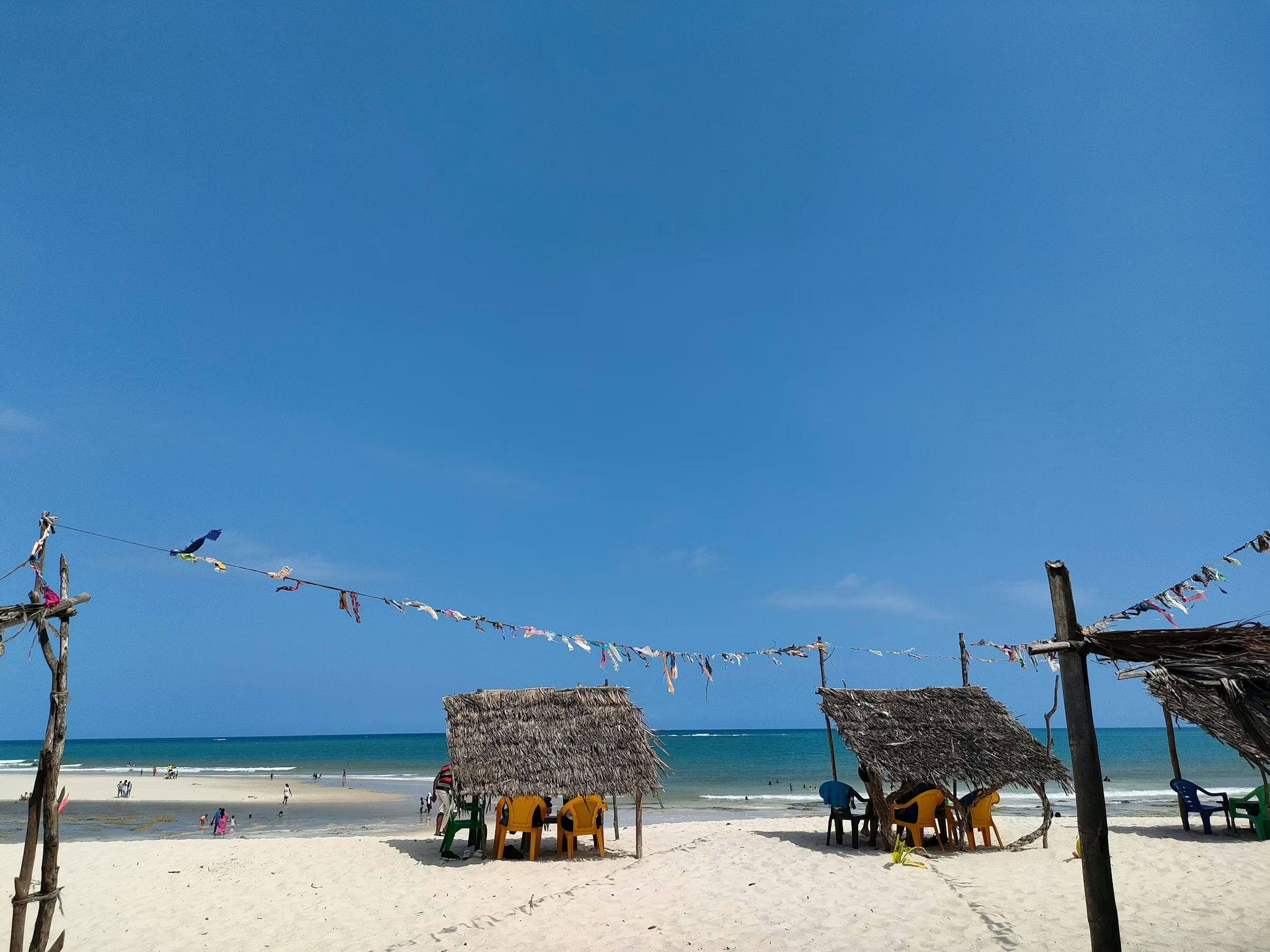
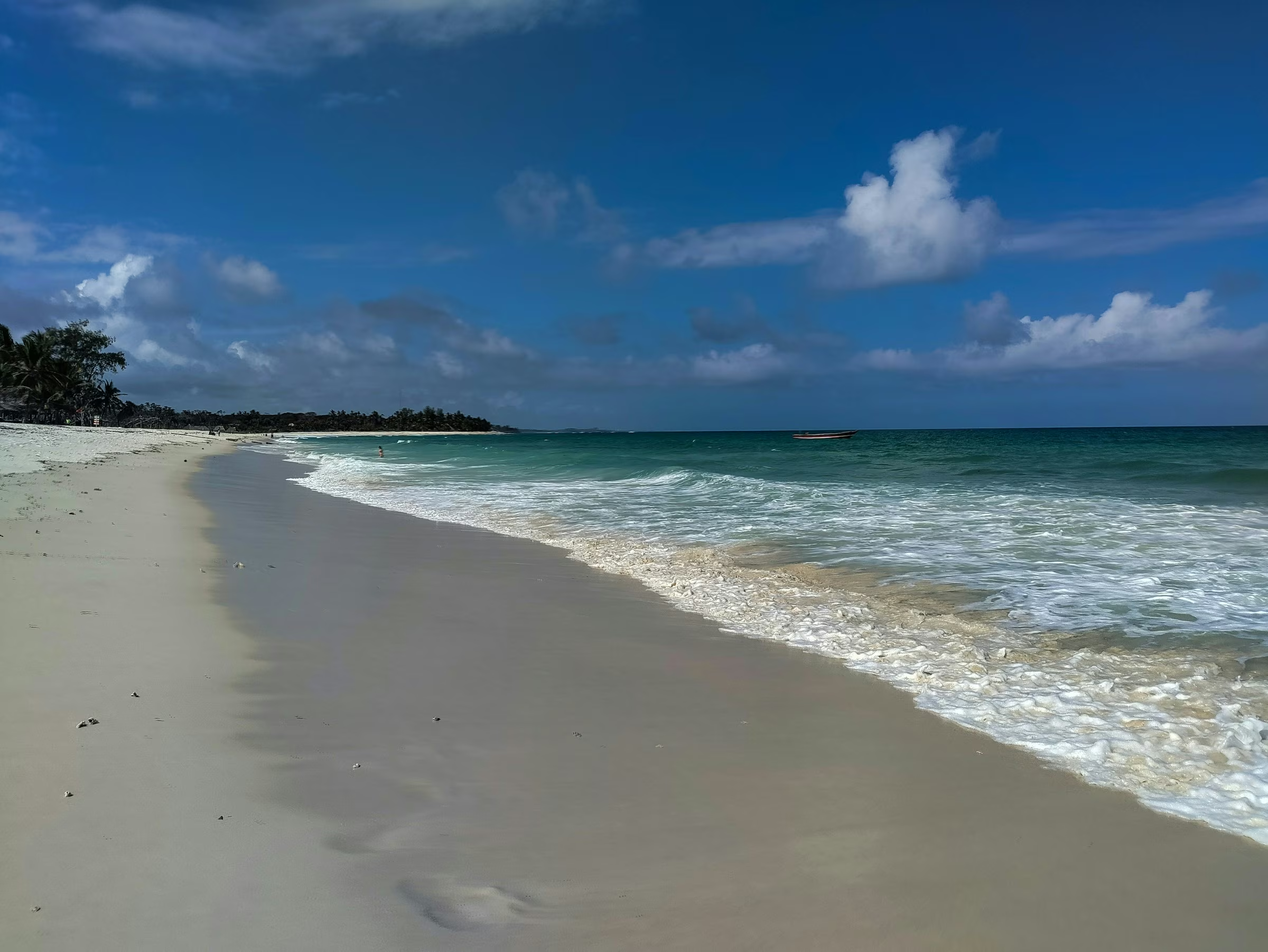
Diani Beach lies on Kenya's south coast, in Kwale County, roughly 30 kilometres south of Mombasa. The nearest town is Ukunda, and the beach itself runs as a long ribbon of white coral sand along the Indian Ocean, backed by palms, coastal forest and a single main road lined with hotels, villas, restaurants and shops.
The atmosphere is relaxed rather than urban. Days follow the tide and the sun: early walks along the sand, swims in warm water, long lunches and evenings outdoors. For international travellers, Diani combines a classic tropical beach with easy access to wildlife, Swahili coastal culture and a wide choice of accommodation — from large resorts to private villas.
“Days here follow the tide and the sun — early walks on the sand, warm water, long lunches and evenings outdoors.”
Beaches and the Indian Ocean
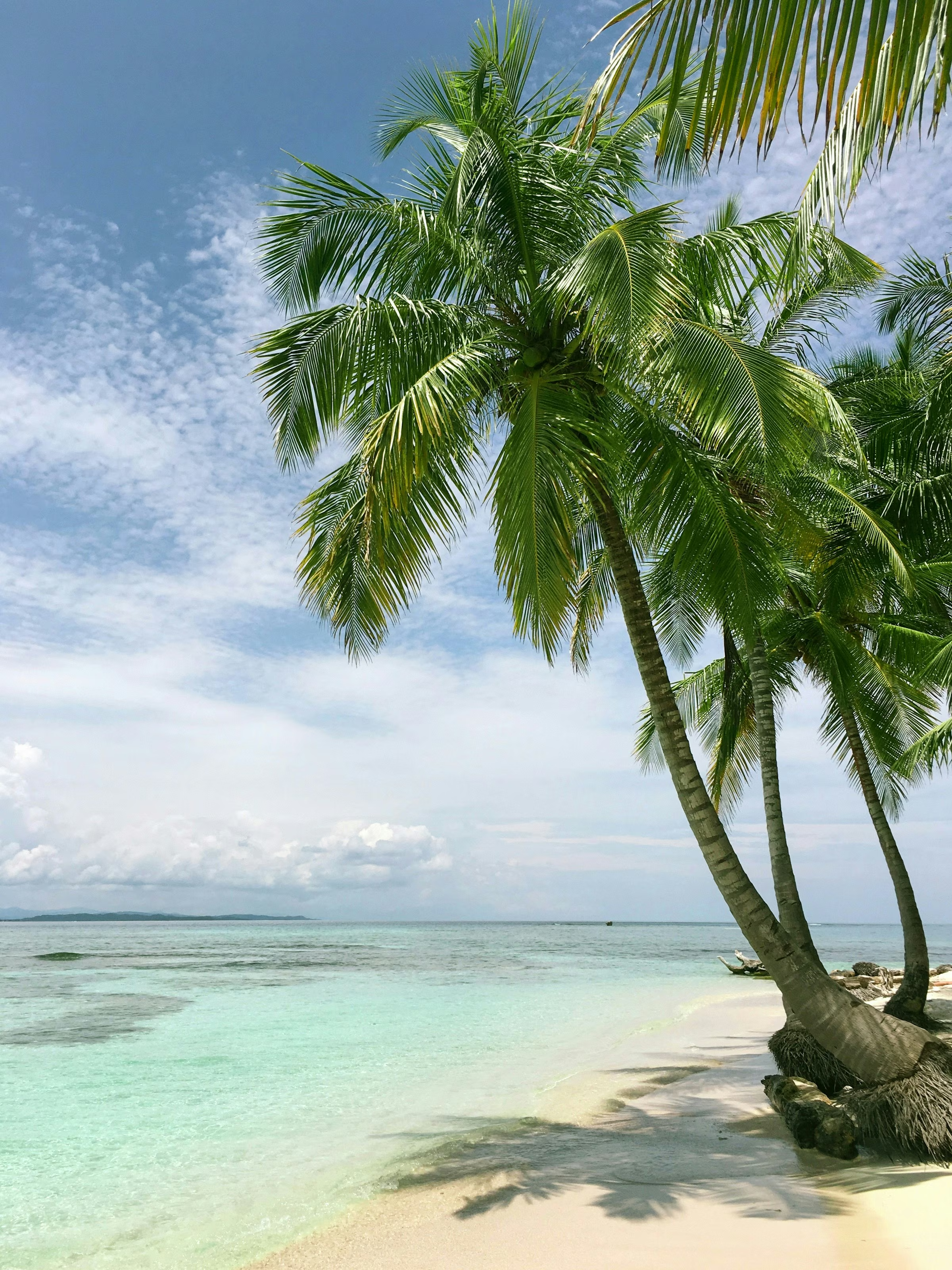
Diani's beach is wide, pale and soft, protected for much of its length by an offshore coral reef. The reef calms the water inside the lagoon, but conditions are not the same every day. Tides here are pronounced: at low tide the sea can retreat a long way, exposing rock pools and sea grass, while at high tide the water reaches close to the line of palms. Wind, waves and currents change with the season and the time of day.
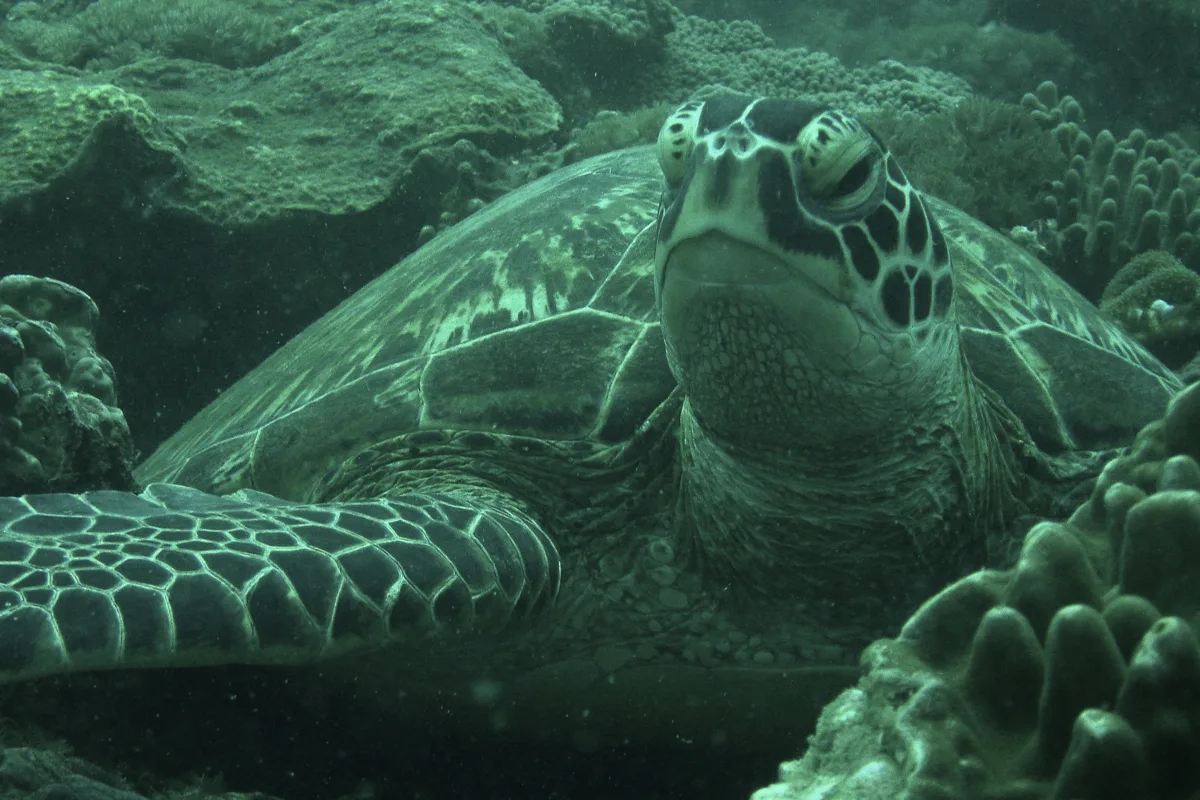
Marine life is part of the appeal — colourful reef fish, sea stars in the shallows, and, offshore, dolphins and seasonal whale sightings on boat trips, though no sighting is ever guaranteed. Kisite-Mpunguti Marine Park near Shimoni, south of Diani, is a popular snorkelling destination.
For a closer look at the coastline, read our guide to the best beaches in Kenya and our Diani Beach vs Watamu comparison.
Weather and Best Time to Visit
Diani is warm year-round. The Kenya Meteorological Department describes two rainy seasons on the coast: the long rains from March to May and the short rains from October to December. The drier, sunnier months are usually from late December to March and from June to September, with June to September a little cooler and breezier.
Rain on the coast often arrives in heavy showers rather than all-day downpours, and the wetter months can bring quieter beaches and greener landscapes. Our best time to visit Diani Beach guide explains each season in detail, and the rainy-season guide covers what to expect if you travel then.
| When | Typical weather | What it means for you |
|---|---|---|
| Late Dec – Mar | Usually drier, hot and sunny | Classic beach weather and calm evenings |
| Mar – May | Long rains | Quieter, greener coast; heavy showers likely |
| Jun – Sep | Usually drier, a little cooler and breezier | Comfortable days; good for safari combinations |
| Oct – Dec | Short rains | Showers often brief; landscapes turn green |
Things to Do in Diani Beach
Most visitors start with the beach itself, but there is plenty more: snorkelling and diving on the reef, dhow and boat trips, kitesurfing when the wind is up, and visits to Colobus Conservation, which works to protect the area's colobus monkeys. Inland, Shimba Hills offers forest walks and wildlife close to the coast.
Diani's dining scene ranges from casual beach bars to seafood restaurants, and local markets and Swahili cooking offer a taste of coastal culture. Day trips reach Wasini Island, Mombasa's Old Town and Fort Jesus, and the national parks inland.
Explore our guides to things to do in Diani Beach, the best restaurants in Diani and the best day trips from Diani Beach.
A Diani day, loosely
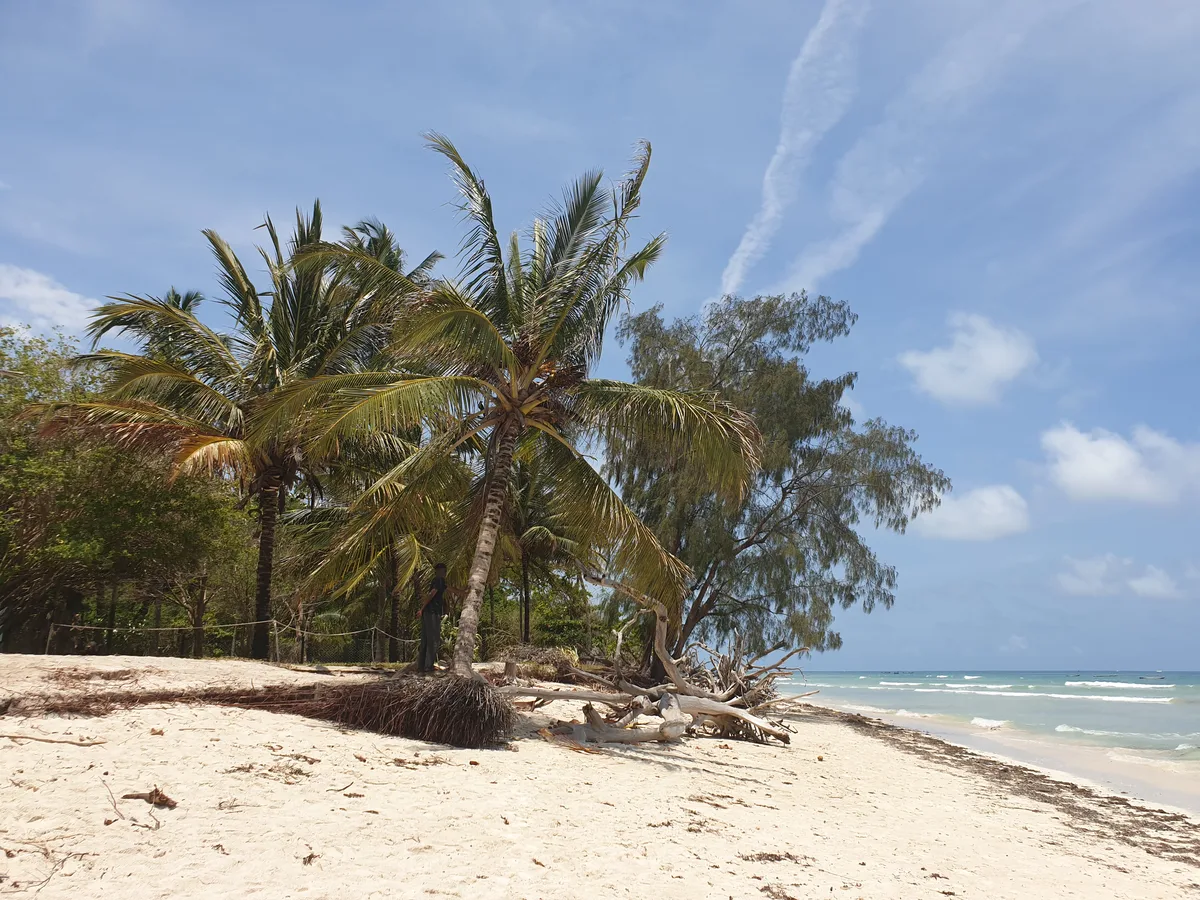
- Early morningA walk along the sand at low tide, rock pools and sea stars in the shallows
- Late morningA swim inside the reef, or a boat out to look for dolphins
- AfternoonShade, a long lunch and perhaps a visit to Colobus Conservation
- EveningSunset drinks and dinner outdoors, with the sound of the ocean
Getting to Diani Beach and Getting Around
International travellers usually arrive at Moi International Airport in Mombasa or at Jomo Kenyatta International Airport in Nairobi. From Nairobi, domestic flights serve both Mombasa and Ukunda Airstrip (Diani), and the Madaraka Express train runs between Nairobi and Mombasa. From Mombasa, the road to Diani crosses the Likoni channel, either by ferry or via the newer bypass routes; journey times vary considerably with traffic.
Pre-arranged transfers are the simplest option on arrival, especially with luggage or children. Around Diani, travellers use taxis, ride-hailing apps where available, and tuk-tuks for short trips. Agree fares before setting off where no meter or app price applies, and use reputable drivers recommended by your accommodation.
For routes, options and practical tips, read how to get to Diani Beach and our Mombasa Airport to Diani Beach guide.
Health, Risks and Safety
Most visits to Diani pass without problems, and sensible preparation goes a long way. The points below are a practical overview — not a substitute for current official advice, which can change.
- Personal safety
- Take the usual precautions of any busy holiday destination: keep valuables out of sight, use hotel or villa safes, avoid walking on quiet stretches of beach or roads after dark, and use known drivers at night. Politely decline persistent beach vendors you are not interested in.
- Beach and ocean safety
- Tides and currents change through the day. Swim where conditions look calm, ask locally about the day's sea, watch out for sea urchins and sharp coral in the shallows, and never swim alone or after drinking. Lifeguard cover cannot be assumed.
- Malaria and mosquitoes
- Diani is in a malaria-risk area. Official UK and US travel-health guidance generally recommends preventive medication for the coast, alongside strict bite avoidance — repellent, covering clothing in the evening, and screened rooms or nets where needed. Seek prompt medical care for any fever during or after travel.
- Food and drinking water
- Drink bottled or properly treated water and be cautious with ice and raw foods of uncertain origin. Wash or sanitise your hands before eating. Freshly cooked, hot food is usually the safest choice.
- Road and transport safety
- Road travel carries more risk than most activities. Use reputable drivers and vehicles with seat belts, avoid long road journeys after dark, and wear a helmet on motorbike taxis — or choose another option.
- Insurance and medical preparation
- Arrange comprehensive travel insurance that covers medical treatment and evacuation. See a travel-health professional ideally four to six weeks before departure to discuss vaccinations and malaria prevention, and bring any regular medicines in their original packaging.
- Respect and cultural awareness
- The coast has a strong Swahili and Muslim heritage. Dress modestly away from the beach, ask before photographing people, and be mindful during Ramadan. Public displays of affection are best kept discreet.
Before you travel, check current government travel advice and travel-health guidance for Kenya. For the full picture, read our guide to whether Diani Beach is safe and our malaria tablets and prevention guide.
Safaris and Wildlife Experiences
Diani is one of the few beach destinations where a real safari is within reach. Shimba Hills National Reserve, the closest, is known for its rare sable antelope and coastal forest. Tsavo East, with its red-dust elephants and open plains, is possible as a long day trip; Tsavo West's volcanic scenery and Mzima Springs reward at least one overnight. Amboseli, beneath Kilimanjaro, is better as a separate multi-night leg of a longer itinerary. Trip lengths, drive times and accessibility vary, so plan around your priorities rather than a fixed checklist.
Compare formats in our safari day trip vs overnight safari guide and our Kenya safari and Diani Beach holiday guide. If you would like a multi-day safari from the coast, our related safari brand Fernweh Safaris offers safaris you can book directly with them.
| Destination | Distance | Drive time | Best as |
|---|---|---|---|
| Shimba Hills National Reserve | approx. 36 km | 45–60 min | Easy half or full day |
| Kisite-Mpunguti Marine Park (via Shimoni) | approx. 80 km | 1.5–2 h | Full-day boat and snorkel trip |
| Tsavo East National Park | approx. 210 km | 3.5–4 h | Long day trip, better overnight |
| Amboseli National Park | approx. 520 km | 7–8 h | Overnight only |
Where to Stay in Diani Beach
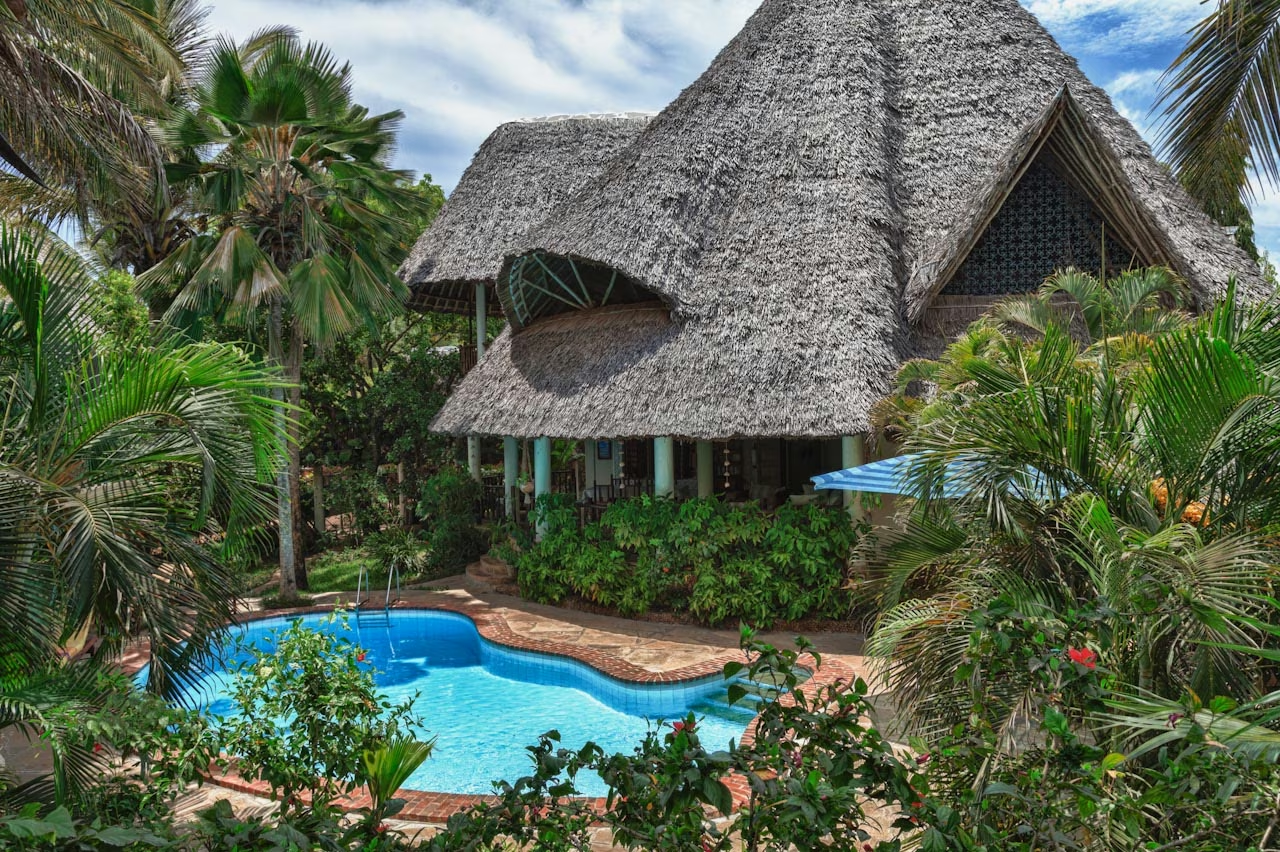
Accommodation in Diani spans large beachfront resorts with pools and restaurants, smaller boutique hotels, self-catering apartments and private villas set back in gardens along the coast. Resorts suit travellers who want everything on site; apartments suit independent travellers on longer stays; private villas suit families and groups who want space, privacy and their own rhythm.
Zavani is one such option: a private holiday villa approximately 300 metres from the beach, sleeping up to 12 guests across six bedrooms in two three-bedroom units, with chef services and daily housekeeping included and groceries charged separately. Our where to stay in Diani Beach guide compares the areas and accommodation types in more depth.

Practical Travel Essentials
Money: Kenya's currency is the Kenyan shilling. Cards are accepted at many hotels, restaurants and supermarkets, while mobile money (M-Pesa) is widely used locally; carry some cash for small purchases, tuk-tuks and tips.
Connectivity: mobile coverage is good in and around Diani. Many visitors buy a local SIM or eSIM on arrival for data and mobile payments.
Packing: light, breathable clothing, a modest cover-up for town, reef-safe sunscreen, a hat, insect repellent, water shoes for coral and rock pools, and any personal medication. A light layer helps on early safari mornings.
Etiquette: greetings matter — a friendly "Jambo" or "Habari" is appreciated. Ask before taking photos of people, bargain politely in markets, and tip for good service.
Entry requirements: rules for visitors to Kenya, including the electronic travel authorisation and any health-related conditions, change from time to time. Check the official Kenyan government eTA portal and your own government's travel advice before booking and again before departure.
Explore Our Diani Beach Guides
In-depth planning guides from the Zavani journal, from safety and health to seasons, transport and safaris.
Practical travel advice
Is Diani Beach Safe? A Practical Guide for First-Time Visitors
Travel health
Do You Need Malaria Tablets for Diani Beach, Kenya?
Planning your trip
Best Time to Visit Diani Beach: A Month-by-Month Guide to Kenya's Coast
Planning your trip
How to Get to Diani Beach From Nairobi and Mombasa: The Complete Travel Guide
Diani Beach guide
12 Best Things to Do in Diani Beach, Kenya: A Local Guide
Safari planning
Safari Day Trip From Diani Beach vs Overnight Safari: Which Is Better?
Day trips and excursions
Best Day Trips From Diani Beach: Islands, Safaris & Hidden Gems
Where to stay
Where to Stay in Diani Beach: Best Areas, Villas & Resorts
Official Sources
- UK FCDO: Kenya travel advice
- US Department of State: Kenya travel information
- CDC Travelers' Health: Kenya
- TravelHealthPro (NaTHNaC): Kenya
- Republic of Kenya: official eTA portal
- Kenya Meteorological Department: seasonal climate patterns
Information last checked 9 November 2026. Travel advice, health guidance and entry rules change — always confirm with official sources before you travel.