Practical travel advice · Kenya’s south coast
Is Diani Beach Safe? A Practical Guide for First-Time Visitors
Current official advice, coastal context and practical precautions for a first visit to Kenya’s south coast.
By Bernd Trompell · · 12 min read
Last reviewed:
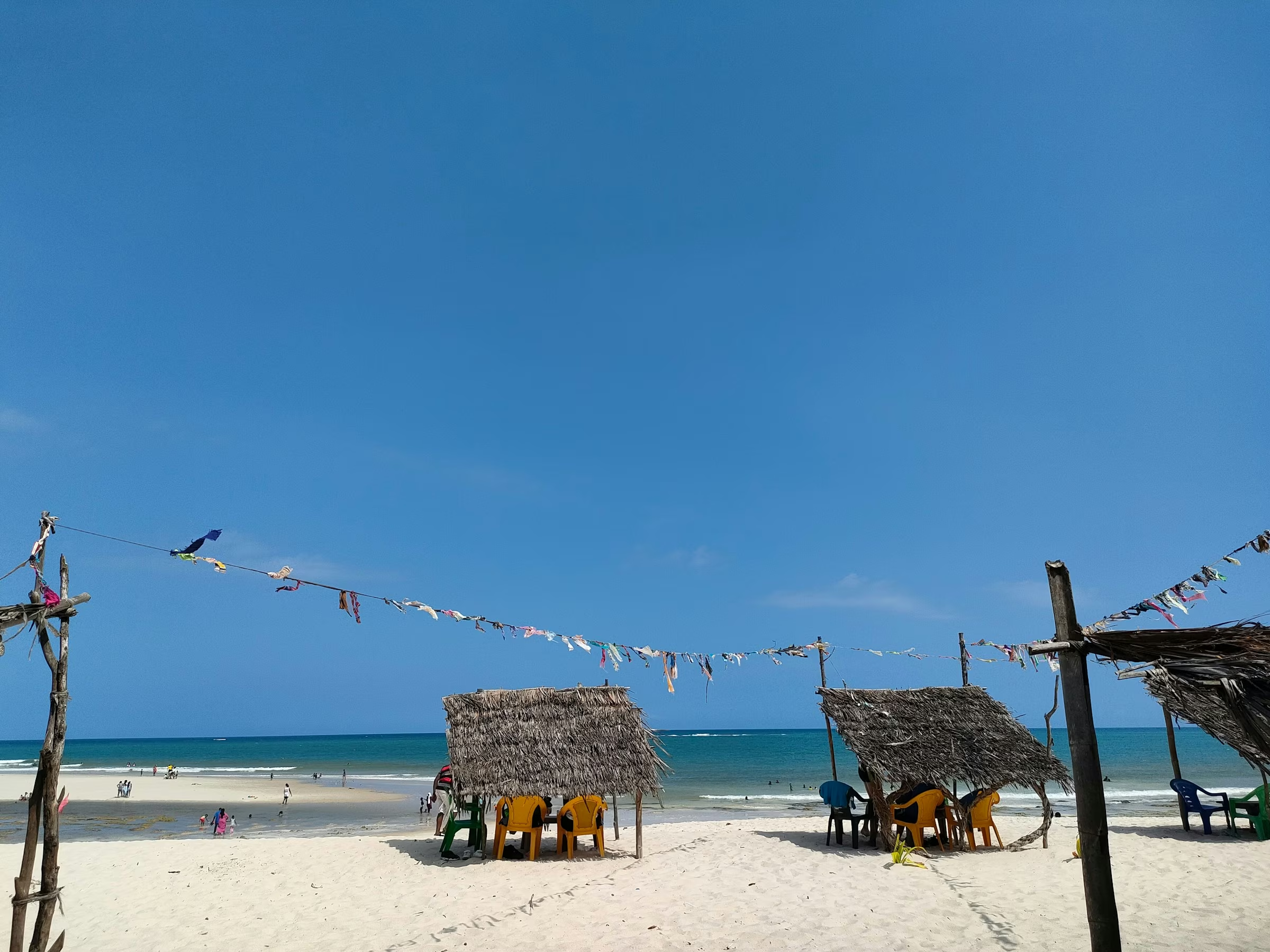
Diani Beach is a popular holiday destination on Kenya’s south coast, in Kwale County south of Mombasa. Its beaches, accommodation and access to marine and wildlife outings attract domestic and international visitors. If this is your first trip, it is reasonable to ask what that means for personal security, walking after dark, swimming and getting around.
There is no single safety label that covers every traveller, beach, journey or day. A well-planned stay involves different decisions from an isolated nighttime walk or an unfamiliar boat trip. This guide separates those situations, explains the geographic scope of official advice and sets out practical precautions. It is not a security guarantee or personalised medical advice: consult current government advisories, speak with your accommodation provider and make decisions that suit your circumstances and the conditions when you travel.
Is Diani Beach Safe for Tourists?
Diani Beach receives domestic and international visitors, but no holiday is risk-free. The official advisories reviewed do not place Diani in the named northern-coast restriction zones; Kenya-wide precautions still apply. Check accommodation access and locks, arrange dependable transport, avoid isolated beach walks after dark, and assess sea conditions before swimming. Plan medical advice and insurance before departure. Current health notices and local conditions can change, so read your government’s full advisory and ask providers about arrangements rather than relying on a general reassurance.
Understanding Safety in Diani Beach
Separate the accommodation, public beach, road journey and excursion you are considering. A staffed reception, a busy daytime route and an unlit stretch of beach are different settings. Local advice can help with a particular route, but neither a host’s reassurance nor an absence of incidents establishes safety everywhere.
The UK FCDO advice checked on 30 October 2026, updated 28 October, restricts specified northeastern areas and a northern coastal band within 15 km of the coast between the Tana and Galana rivers. That band is not Diani, south of Mombasa. Its general Kenya security advice remains relevant. Read the full map and exceptions if combining Diani with other destinations.
The official U.S. advisory summary reviewed gives Kenya a Level 2, exercise-increased-caution advisory, with separate restrictions including coastal areas north of Malindi and named counties elsewhere. Germany’s advice likewise distinguishes northern regional concerns from general precautions, including elevated robbery risk on beaches after dark outside hotel grounds. None of this certifies Diani as risk-free. Check the linked official pages for your nationality, route and insurance before booking and again before departure.
Is It Safe to Walk Around Diani Beach?
For daytime walks, ask your host which beach access and routes they recommend currently. Consider distance, heat, visibility and road traffic, not simply whether somewhere is near on a map. Stay aware at road crossings and do not assume drivers will stop. A phone screen or headphones can distract from approaching vehicles.
Carry only what you need, keep valuables discreet and leave original documents securely stored when appropriate. Avoid unnecessary isolated detours. If a route feels unsuitable or local advice changes, use transport instead. These are practical precautions, not a claim that all walking is dangerous or every busy route is safe.
Is Diani Beach Safe at Night?
Plan the return journey before leaving for dinner or a bar. Arrange a reputable driver through a provider you can verify, agree the pickup location and price, and keep their contact details. Avoid isolated beach walks after dark; the German advisory’s general after-dark beach caution is relevant even though it is not a Diani-specific prohibition.
Stay aware of surroundings, keep your phone charged and do not let alcohol undermine travel decisions. Groups should agree how everyone gets home rather than assume someone else has organised it. Going out need not mean an incident is inevitable, but a short distance is not a reason to ignore darkness or isolation. Our where-to-stay guide helps put accommodation locations in context.
Beach and Ocean Safety
A beautiful shoreline is not a swimming-safety assessment. Tides, currents, wind, weather and boat movements can change conditions through the day. Ask about the particular stretch of beach before entering, follow warning signs and local instructions, and reassess rather than rely on yesterday’s swim. Do not assume shallow water, a reef or an apparently calm surface removes risk.
Swim within your ability, with a companion, and avoid entering after drinking alcohol. Choose supervised swimming areas where available, but verify actual supervision: this guide does not establish lifeguard coverage along Diani. If uncertain about conditions or access, staying ashore is a reasonable choice. Check how you will return from a reef walk before the tide changes.
General NOAA guidance advises not fighting directly against a rip current. Stay calm, signal for help and, if able, move parallel to the shore out of the current before returning. This is general guidance, not a forecast for Diani. Do not enter dangerous water to attempt a rescue that puts you at risk; alert available trained help.
Before snorkelling, diving or other watersports, discuss experience, fitness, equipment and the planned conditions with the operator. Ask about briefings, supervision and weather cancellation. For boat trips, confirm a suitable life jacket for each passenger, including children, and emergency communication arrangements. Do not assume all boats offer equivalent protection.
Avoid touching marine animals or coral and follow the relevant park’s guidance. Assign an adult to actively supervise children near the sea; flotation aids do not replace supervision. An enjoyable outing may be a beach walk or shore-based activity instead. Our activities guide offers choices without guaranteeing their suitability on a particular day.

Transport Safety
Confirm airport pickup in advance: provider identity, flight details, meeting point, price and a number to call if plans change. Verify an unexpected driver or payment request with the original provider rather than accepting it on appearance alone. Our Diani transport guide explains arrival options and connections.
For taxis, tuk-tuks and private drivers, consider the vehicle, driver, route and passenger needs separately. Ask about working seat belts and appropriate child restraints before booking a car. Do not accept overcrowding or assume every operator has the same equipment. A tuk-tuk does not offer the same protection as an enclosed car with restraints.
Prefer planning unfamiliar road journeys in daylight where practical; darkness adds visibility and navigation difficulties. If arriving late, arrange transport before landing and confirm the accommodation handover. Tell the provider about luggage, mobility needs and group size so the vehicle arrangement is suitable.
Accommodation Security: What to Check
Ask how property access works, who can enter, how doors and windows lock, and whether secure storage is available. Clarify staff and guest access, lighting, after-hours communication and what happens if you lose a key or need help. Look for specific answers rather than a general description such as ‘secure’.
Discuss the location and route to restaurants or beach access, especially if returning after dark. Confirm whom to contact on arrival and keep the address offline. Private villas are not inherently safer than hotels; arrangements vary by property. Do not infer guards, CCTV, safes or emergency support from a photograph or accommodation category.

Bookings, Payments and Practical Precautions
Use contact details you independently verify when booking accommodation, transport or an excursion. Confirm the service, total price, inclusions and cancellation terms in writing. If payment details unexpectedly change or someone pressures you to pay urgently, check through the original contact channel before transferring money.
Protect card details and booking documents; do not share verification codes with someone claiming to help. Carry manageable amounts of cash and keep valuables out of sight. These are general travel precautions, not evidence that particular scams are common in Diani. Local residents and vendors should not be stereotyped as a threat.
Health and Medical Considerations
Arrange a travel-health consultation well before departure, giving your exact itinerary, activities, medical history and trip dates. Review routine vaccinations and destination-specific advice with a qualified clinician. Recommendations and entry requirements are different questions: do not treat a travel blog as a vaccine requirement list.
CDC’s Kenya guidance includes malaria-prevention advice for relevant areas. Discuss your coastal itinerary and any inland travel with your clinician; do not assume a beach holiday removes the need for assessment. Use suitable mosquito-bite precautions according to product instructions, including repellent and appropriate clothing. This guide does not prescribe medication or establish current disease prevalence in Diani.
At this review, CDC’s Kenya page carried an Ebola Bundibugyo notice dated 19 October 2026 describing reported cases in Nairobi. The FCDO’s 28 October update concerned screening information. These are time-sensitive notices, not evidence of cases in Diani. Read the current linked notice and official entry advice before departure, including for journeys through Nairobi.
Plan safe drinking water, hand hygiene, sun protection and regular hydration. Carry medicines in original packaging with relevant prescriptions, checking applicable entry rules and storage needs. Choose insurance covering medical care, possible evacuation and planned activities, and understand exclusions. If you become unwell, seek qualified care and tell the clinician about your travel rather than self-diagnose from this guide.
Is Diani Beach Safe for Families With Children?
Families should plan supervision around pools, beaches, road crossings and unfamiliar accommodation. Agree which adult is watching children; shared responsibility can otherwise become nobody’s responsibility. Verify pool barriers, room layout, child equipment and beach access directly rather than infer them from family-friendly wording.
Arrange suitable transport and discuss children’s ages and health needs before choosing activities. Have insurance and a plan for seeking medical advice. A shorter outing or a rest day may suit your family better than a full-day boat trip. Our Diani Beach with kids guide covers routines, packing and age-appropriate holiday planning.
Safety for Solo Travellers and Couples
Choose accommodation with clear communication and an arrival plan. Share your itinerary and expected check-ins with a trusted contact, keep your phone charged, and have a backup way to access addresses and reservations. Couples should also avoid assuming that travelling together removes risks.
Arrange evening transport, protect belongings and verify excursion bookings. The right decisions depend on your experience, circumstances and current advice, not gender stereotypes. Check your government’s traveller-specific guidance where relevant, including legal or personal considerations that a general destination article cannot cover fully.
Booking Excursions Safely
Ask operators about reputation, relevant licensing, equipment, passenger limits, safety briefings and emergency arrangements. Confirm what is included, cancellation terms and how bad weather changes the plan. Check your insurance covers the actual activity, particularly diving or other adventure sports; popularity is not proof of coverage.
KWS confirms Kisite-Mpunguti is reached by boat, but its visitor page does not verify every operator’s standards. Follow park instructions and conservation guidance; do not pressure a provider to proceed when conditions are unsuitable. Compare options in our day-trips guide. Leave flexibility in a five-day itinerary or seven-day itinerary, and consult the seasonal guide alongside current forecasts.
What to Do in an Emergency
Move away from immediate danger if you can do so safely, contact local emergency services and alert accommodation staff. Give a precise location, callback number and clear description of what happened. Seek appropriate medical assistance when needed; do not delay urgent care while waiting for an insurer to answer.
Contact your travel insurer’s assistance service and, for consular matters, your embassy or consulate. Before travelling, save verified local emergency contacts, your accommodation address and insurer details offline. This guide does not publish unconfirmed emergency numbers or local hospital capabilities, and cannot promise response times. Ask your host for current contacts before arrival, then verify them with official sources.
Practical Safety Checklist Before Travelling
Use this checklist before departure, then revisit weather, transport and local conditions during your stay. Keep essential details offline as well as on your phone.
- Read current government advisories for the whole itinerary and check insurance restrictions.
- Arrange medical advice, routine vaccine review and itinerary-specific health planning.
- Confirm insurance covers treatment, evacuation and planned activities.
- Verify transfers, passenger needs, prices and pickup contacts.
- Save accommodation, verified emergency, insurer and consular contacts offline.
- Keep secure copies of passports, prescriptions and bookings separately from originals.
- Verify payment channels and unexpected changes before sending money.
- Recheck weather, tides and local sea guidance before swimming or boating.
- Confirm excursion equipment, briefings and weather-cancellation arrangements.
Planning Your Stay in Diani Beach?
Zavani is a private accommodation option approximately 300 metres from Diani Beach, sleeping up to 12 guests across six bedrooms: three in the main house and three smaller bedrooms in the separate guest cottage. Chef service and daily housekeeping are included; groceries are paid for separately.
Ask directly how the layout and current arrangements fit your group. These property facts do not establish guards, CCTV, safes, medical assistance or transport services, and do not guarantee personal safety. Explore the published accommodation details or enquire about your preferred dates and the questions that matter to your stay.
Frequently Asked Questions
Is Diani Beach safe for tourists?
Diani welcomes domestic and international visitors, but safety depends on circumstances and current conditions. The reviewed advisories do not place it in the named northern coastal restriction zones; general Kenya precautions still apply. Read current official advice, choose accommodation carefully, plan transport and assess sea conditions rather than rely on a blanket assurance.
Is it safe to walk in Diani Beach at night?
Avoid isolated beach walks after dark and arrange a dependable return journey from restaurants or bars. Germany’s general Kenya advice warns about robbery risk on beaches after dark outside hotel grounds. Ask locally about specific routes, but do not treat proximity or travelling in a group as a guarantee.
Is Diani Beach safe for families?
Families need practical arrangements for water supervision, roads, transport and medical planning. Verify pool access, child equipment, room layout and activity suitability directly with providers. Assign an adult to actively supervise children near water; neither accommodation marketing nor flotation aids replaces attention or confirms facilities.
Can you swim safely at Diani Beach?
Assess the particular beach and current conditions before entering. Tides, currents, wind and weather vary, and an apparently calm surface is not proof of safety. Follow local warnings, stay within your ability and swim with a companion. Verify supervision where available; this guide does not establish lifeguard coverage.
Is it safe to take taxis in Diani?
Use a provider you can verify, agree the fare and pickup details, and confirm vehicle suitability. Ask about working seat belts and appropriate child restraints when relevant. Arrange airport and late-night journeys ahead of time. Different drivers and vehicles offer different standards; a taxi label alone does not establish safety.
Are private villas safe in Diani Beach?
Assess the individual property, not the accommodation category. Ask about access, locks, lighting, secure storage and after-hours contact arrangements. Villas are not inherently safer than hotels, and photographs do not establish security systems. Confirm the specific features you need before booking rather than assume they are included.
What health precautions should visitors take?
Consult a qualified travel-health professional with your full itinerary and medical history, and review current CDC or TravelHealthPro advice. Discuss vaccinations and malaria prevention without assuming one recommendation suits everyone. Plan mosquito protection, food and water hygiene, sun protection, medicines and insurance, and recheck current health notices before departure.
What should you do in an emergency in Diani Beach?
Contact local emergency services, alert accommodation staff and seek appropriate medical help. Provide your location and callback number, then contact your insurer and relevant consular service as needed. Save verified contacts before travel. This guide does not certify local hospital capabilities, provide unverified numbers or promise emergency response times.
Sources and Planning References
- UK FCDO: Kenya travel advice (updated 28 October 2026)
- U.S. Department of State: Kenya advisory (official indexed summary checked)
- German Federal Foreign Office: Kenya travel and security advice
- CDC Travelers’ Health: Kenya vaccines, malaria and current notices
- CDC: Ebola Bundibugyo notice for Kenya (19 October 2026)
- NaTHNaC TravelHealthPro: Kenya and individual pre-travel assessment
- NOAA: general rip-current safety guidance
- RNLI: general water-safety precautions
- Kenya Wildlife Service: Kisite-Mpunguti visitor information
- Zavani: published accommodation details
Reviewed 30 October 2026. UK and German advisory text and CDC Kenya guidance were checked; the U.S. boundary summary was checked against official indexed text because its full page was not available in the retrieval. General NOAA/RNLI precautions are not local forecasts or Kenyan legal requirements. No independently confirmed emergency number or medical-facility capability is published here. Advice can change: recheck official pages before booking and departure. This is editorial guidance, not a security assessment or personal medical advice.
More stories from the coast