Family travel
Kenya Coast With Kids: Best Destinations, Family Activities & Where to Stay
Diani, Watamu, Mombasa, Kilifi or Malindi — an honest comparison of Kenya's coastal destinations for families, with activities by age group, beaches, accommodation and practical planning.
By Bernd Trompell · · 14 min read
Kenya's Indian Ocean coastline can give a family very different holidays within a few hours of each other: a full-service beach stay at Diani, a marine-park village break in Watamu, a city-and-beach combination in Mombasa, a slow creek-side week in Kilifi, or a resort stay in Malindi. None of them is the right answer for every family.
The best choice depends on your children's ages, how you like to travel, the accommodation you need, how much moving around you can tolerate, the activities you actually want, and the pace you are hoping for. This guide compares the main family destinations honestly, looks at beaches, activities by age group, accommodation types, meals, transport, health and costs — and helps you decide before you book. It is written for parents comparing destinations along the whole coast; if you have already chosen Diani Beach, our Diani family guide goes deeper on that one destination.
Last reviewed:
Quick Answer: Where Is Best on Kenya's Coast for Families?
For most families, Diani Beach is the most practical base on Kenya's coast: easy transfers, the widest choice of accommodation, restaurants and activities for different ages. Watamu suits families who prioritise snorkelling and nature in a small village setting. Mombasa works for combining beaches with culture and urban convenience. Kilifi and Malindi reward slower, longer stays. Each has trade-offs in transfer time, facilities and atmosphere — the right choice depends on your children's ages and how much travelling you want to do.
Best Places to Stay on Kenya's Coast With Kids
Diani Beach
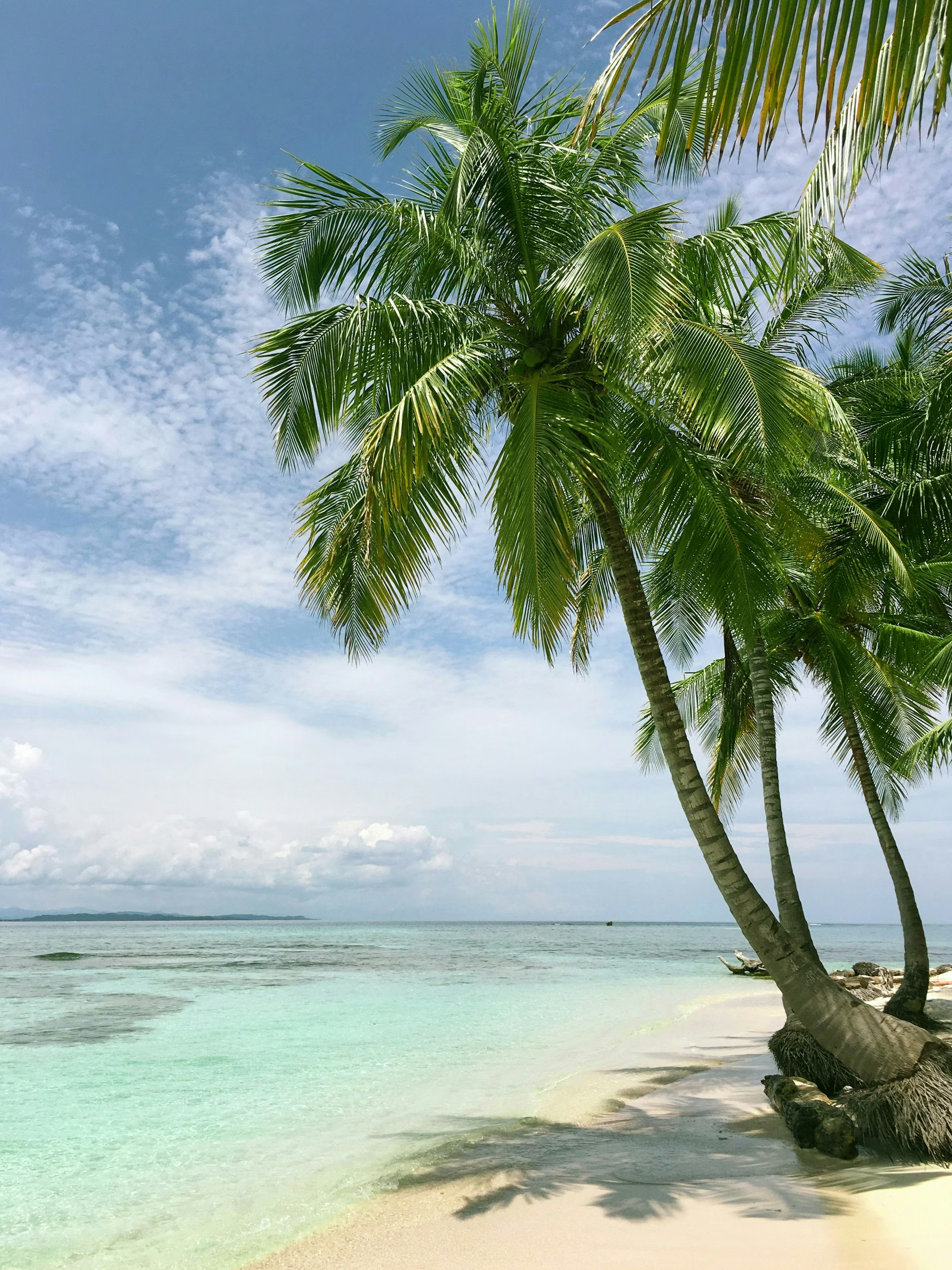
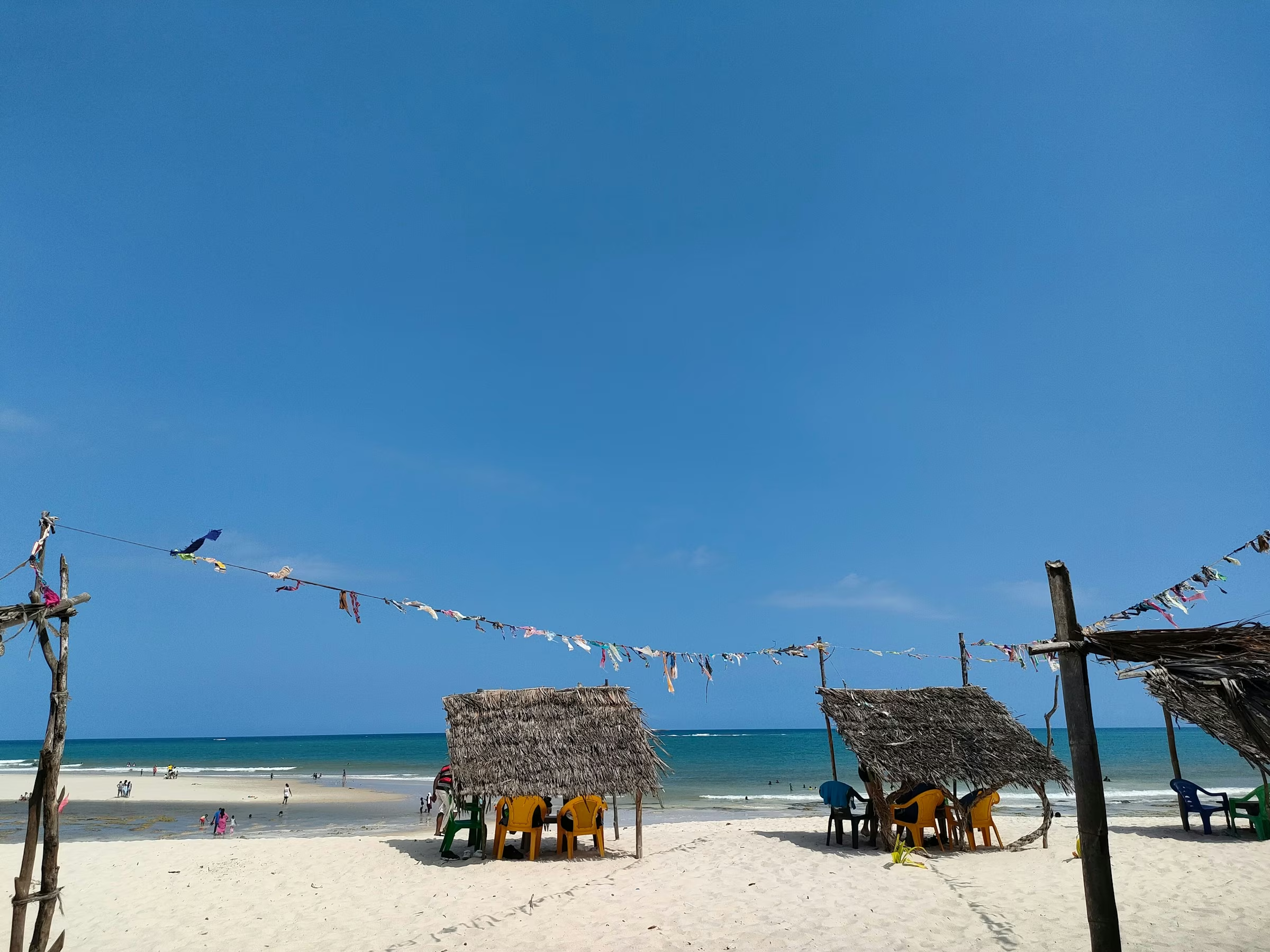
Diani Beach, about 30 kilometres south of Mombasa, is the coast's most established family destination: a long palm-backed beach fronted by a fringing reef, with the widest accommodation choice in Kenya's coastal south — resorts, boutique hotels, apartments and private villas. Restaurants, supermarkets, watersports operators and excursion providers are all within a short tuk-tuk ride, which matters enormously with children.
Family activities range from beach days and snorkelling trips to the Kisite Mpunguti marine park (booked through operators, with verified park fees) to inland excursions such as Shimba Hills. Transport is the simplest on the coast: fly into Ukunda airstrip, or take the SGR train or a flight to Mombasa and continue by road — see our transport guide and airport transfer guide. Practical considerations: swimming is tide-dependent, central sections are busy in peak season, and the strip is spread out, so where you stay within Diani shapes the holiday. Our area guide compares the sections.
Watamu
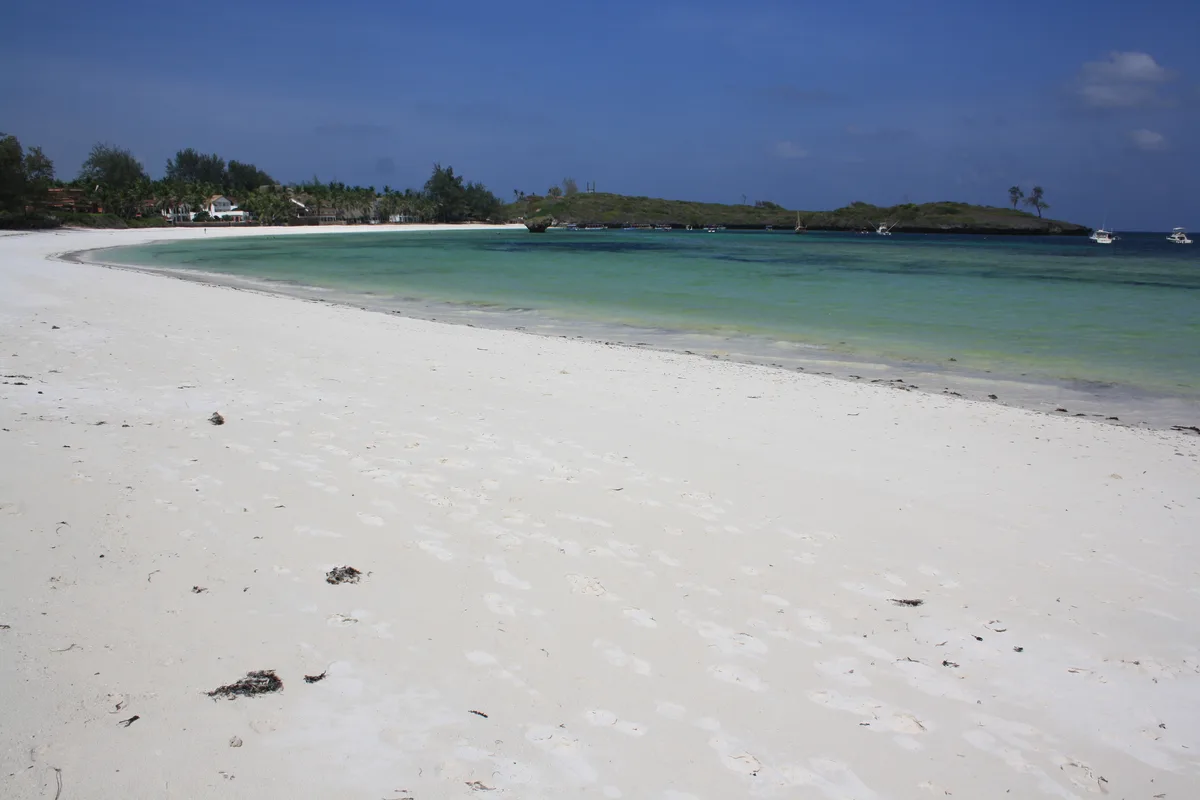
Watamu is a laid-back village on the north coast built around exceptional marine life. Its bays face the Watamu Marine National Park, whose protected reefs are among the coast's best for snorkelling and diving; Mida Creek's mangrove waters and the Gedi ruins — a UNESCO-recognised site — lie close by. For school-age children and teenagers interested in the ocean, it is arguably the coast's most rewarding destination.
Beach access is easy from most accommodation, and the village has a good dining scene for its size. Accommodation ranges from resorts to serviced apartments and villas. Marine park visits carry verified Kenya Wildlife Service entry fees, with boats and guides arranged separately through operators. Access is via Malindi Airport or the coastal road from Mombasa — a longer transfer than Diani's, which is the main trade-off for families with very young children. Our Diani vs Watamu comparison weighs the two most popular bases directly.
Mombasa
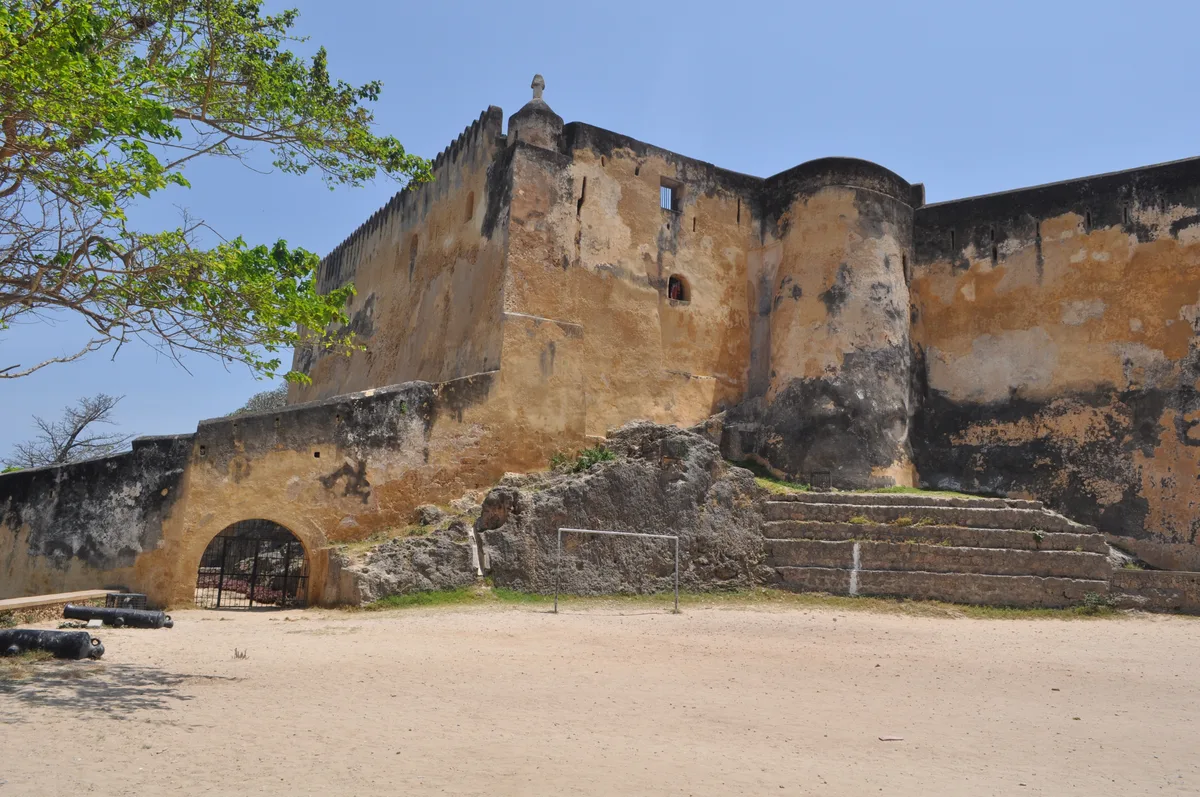
Mombasa is the coast's city-and-beach combination. The northern beaches — Nyali, Bamburi and Shanzu — line one coastal road with hotels, restaurants and urban facilities close at hand, while the city's cultural attractions, including Fort Jesus and the Old Town, add a dimension no beach village can match. For families who want variety, or who have limited time, it is the most convenient option: Moi International Airport and the SGR terminus are both in the city.
The trade-offs are atmosphere and space: these are urban beaches, busier and narrower in places, with a city backdrop rather than a tropical-hideaway feel. Bamburi is the liveliest, especially at weekends; Shanzu is generally calmer. Transport could hardly be simpler, and urban conveniences — supermarkets, pharmacies, hospitals — are close. Families wanting a quieter, more spacious beach holiday usually prefer the south or north coast proper.
Kilifi
Kilifi is the coast's slow option: a creek-side town with a relaxed atmosphere, golden Bofa Beach just north of the creek, sailing on the water and a working-town rhythm rather than a resort strip. It suits families who value character and calm over a full activity programme, and it works well for longer stays.
Accommodation is smaller in scale — villas, guesthouses and a handful of hotels — and facilities are spread out, with Kilifi town providing the essentials. Travel considerations matter: Kilifi sits on the Mombasa–Malindi road across the Kilifi Bridge, roughly midway between the two, so airport transfers are longer than for Diani or Mombasa's beaches. For families with toddlers who want everything on the doorstep, that is a real drawback; for those with older children who want space and quiet, it is the appeal.
Malindi
Malindi is a historic coastal town with a long-established resort scene, its own airport, and the Malindi Marine National Park offshore. Families find resorts and hotels with organised activities, a town with restaurants and shops, and excursion options including the marine park and the nearby Gedi ruins.
Practical considerations: Malindi is further from Mombasa than Diani, so most families arrive via Malindi Airport or a longer road transfer. The resort scene is well established but the town's character is more urban than Watamu's village feel. As everywhere on the coast, check swimming conditions locally on the day, and confirm exactly what your accommodation includes for children before booking.
Family Destination Comparison
The table below summarises the five destinations. It is a factual comparison, not a ranking — no destination is best for every family, and we do not invent safety scores. The profiles above explain the trade-offs behind each row.
| Destination | Best suited to | Typical activities | Accommodation options | Transport considerations | Potential drawbacks |
|---|---|---|---|---|---|
| Diani Beach | Most families, first-time visitors | Beach, snorkelling trips, watersports, nature excursions | Widest choice: resorts, hotels, apartments, villas | Ukunda airstrip nearby; road from Mombasa | Busy central sections in peak season; spread-out strip |
| Watamu | Snorkelling and nature-loving families | Marine park, Mida Creek, Gedi ruins, beach | Resorts, apartments, villas in a village setting | Malindi Airport or longer road transfer | Longer transfer; smaller choice of services |
| Mombasa (Nyali, Bamburi, Shanzu) | City-and-beach combinations, short stays | Fort Jesus, Old Town, urban beaches, hotel activities | Hotels and resorts with urban facilities | Airport and SGR in the city; shortest transfers | Urban, busier beaches; less tropical-hideaway feel |
| Kilifi | Slow travellers and longer stays | Bofa Beach, creek sailing, relaxed town life | Villas, guesthouses, a few hotels | On the Mombasa–Malindi road; mid-length transfers | Fewer organised activities; facilities spread out |
| Malindi | Resort-based family holidays | Marine park, Gedi ruins, town and resort activities | Established resorts and hotels | Own airport; longer road transfer from Mombasa | Further from Mombasa; more urban than Watamu |
Best Beaches for Families
Families generally do best where access is simple, shade is available, facilities are close and accommodation sits near the sand. On those measures Diani leads: a long, pale-sand beach with places to eat and regroup within easy reach. Mombasa's northern beaches offer similar convenience in an urban setting, while Watamu's bays reward families who plan around the tides.
Tides matter more than most first-time visitors expect. Kenya's coast has a significant tidal range: at low tide, reef-fronted beaches expose wide sand and reef flats — wonderful for paddling and rock-pool exploring, less so for swimming — while high tide brings the water in close. Currents vary by location and season, and there is no coast-wide lifeguard system. Conditions change daily, so local advice is essential: ask your accommodation each morning, supervise children closely at all times, and never treat any beach as completely safe for children. Our best beaches guide profiles ten stretches in detail.
Activities for Toddlers and Young Children
With toddlers, the holiday works best when the accommodation does most of the work. Short beach visits in the cooler morning and late-afternoon hours, relaxed days around your own pool and garden, gentle outings such as a short boat trip or a visit to a nearby attraction, and flexible schedules built around naps and meals will outperform any packed itinerary.
Plan rest periods into every day, keep transfers short, and confirm practical details with your accommodation before booking: bedroom layout, meal times, and what equipment is and is not provided. We do not promise that specific excursions suit infants — suitability depends on the child, the provider and the conditions on the day, so verify directly with the operator before booking anything.
Activities for School-Age Children
School-age children get the most from the coast's nature and culture. Boat excursions to the marine parks — Kisite Mpunguti from the south coast, Watamu and Malindi marine parks on the north coast — combine snorkelling with wildlife; verified Kenya Wildlife Service entry fees apply, and boats and guides are arranged through operators. The Gedi ruins near Watamu add a genuinely engaging historical dimension, and Mombasa's Fort Jesus brings the coast's Swahili and colonial history to life.
Beach activities — swimming, sandcastle engineering, reef-pool exploring at low tide — fill the days between excursions. Check each provider's requirements before booking: some activities have age, swimming-ability or supervision rules, and these vary by operator rather than by destination. Educational attractions such as conservation centres and forest visits exist near several destinations; verify opening arrangements in advance.
Activities for Teenagers
Teenagers are the easiest age group to please on this coast. Watersports — kitesurfing, windsurfing, paddleboarding and diving courses — are concentrated in Diani and Watamu, with professional schools offering instruction. Snorkelling and diving excursions to the marine parks suit confident swimmers, and outdoor excursions such as Shimba Hills add a safari element to a beach holiday.
Distinguish activities that require professional supervision or have age and certification requirements — diving courses and kitesurfing lessons among them — from those that do not, and book through licensed operators. Availability varies by season and operator, so confirm rather than assume. Group experiences such as shared boat trips also give teenagers company of their own age, which many parents find transforms the holiday.
Where to Stay: Resort, Hotel, Apartment or Private Villa?
Resorts bundle everything — pools, kids' facilities, restaurants, entertainment — at the cost of privacy and fixed meal times. Hotels offer similar convenience on a smaller scale. Apartments give you a kitchen and flexible meals but usually no staff. Private villas give you the whole property: shared living areas where the family actually spends time together, bedrooms under one roof (or one garden), meal flexibility and, in staffed villas, services such as a chef and housekeeping.
For larger families and multigenerational groups, private villas often work particularly well: the cost structure is per property rather than per room, and shared space is built in. But a villa is not automatically the best or cheapest choice — smaller families who want organised children's activities and no cooking decisions may be happier in a resort. Our villa vs resort comparison works through the trade-offs honestly.
Planning Meals With Children
Food logistics shape a family holiday more than most parents expect. Restaurants along the coast range from casual beach spots to international dining, with Diani and Watamu offering the most choice; self-catering from supermarkets and local markets gives full control over timing and ingredients; and staffed properties may include a private chef who cooks to your schedule.
Inclusions vary by accommodation, so confirm exactly what is provided: some properties include a chef but not groceries, others include half board, others nothing. For dietary requirements, raise them in writing before booking and again before arrival — do not assume any property can cater for specific needs without confirming. Standard food-hygiene sense applies: bottled or treated water, freshly cooked food, and care with salads and ice where you are unsure of the source. Meal schedules matter with young children — flexible dining is one of the strongest arguments for self-catering or a staffed villa.
Getting Around Kenya's Coast With Kids
Airport transfers set the tone: after a long flight, the shortest possible onward journey is worth real money with tired children. Diani is served by Ukunda airstrip and by road from Mombasa; Mombasa's beaches need no onward travel at all; Watamu, Kilifi and Malindi involve longer road transfers or a connecting flight. Our transport guide and airport transfer guide cover the south-coast journey in detail.
On the ground, private vehicles and taxis handle most family journeys; tuk-tuks are the local workhorse for short hops. If you need car seats, arrange them in advance — do not assume they will be available. Plan journeys around heat and naps, keep luggage manageable, and consider the strongest argument of all for choosing one base: fewer transfers. Every destination change costs half a day of holiday and a measure of family patience.
Health and Safety Considerations
The practical essentials are straightforward. Sun exposure is the biggest daily risk: the equatorial sun burns quickly, so use high-SPF sunscreen, hats, rash vests and shade, and keep young children out of the midday sun. Hydration matters constantly — carry water and offer it more often than children ask. Swimming supervision is non-negotiable: conditions change with tide and weather, and no beach on the coast can be guaranteed safe for children.
Mosquito precautions — repellent, long sleeves in the evening, nets where provided — are standard practice on the coast. For food and drinking water, follow the usual travel-health rules: bottled or treated water and freshly cooked food. Prepare before you travel: Kenya-specific vaccination and malaria advice changes, so consult official, current travel-health guidance — such as the CDC and NHS resources linked in our sources — and your own doctor well before departure. For anything medical, that official guidance and professional advice are the authority, not this article. Our Diani safety guide covers the south-coast picture in more detail.
Best Time to Visit Kenya's Coast With Children
The coast is a year-round destination with wetter and drier periods. The Kenya Meteorological Department defines March to May as the long rains and October to December as the short rains, with the coastal rainfall peak expected in May in the 2026 outlook. Drier windows generally bring calmer seas and better visibility for marine activities — but seasonal windows are not daily forecasts, and no month can be promised as good weather.
School holidays drive demand: peak family travel periods bring the busiest beaches, the fullest accommodation and the highest prices along the whole coastline, so book early for those windows. Sea conditions vary by month and location, which matters if snorkelling or boat trips are central to your plans. Our month-by-month guide and rainy-season guide explain the seasons in detail.
Five-Day Family Holiday Example
Day one: arrive, transfer to your accommodation, and do nothing more ambitious than a short beach walk and an early night. Day two: a full beach morning, rest through the midday heat, and a relaxed afternoon by the pool. Day three: one age-appropriate excursion — a boat trip, a cultural visit or a nature outing — keeping the afternoon free. Day four: a slow day with a gentle outing such as a local market or a second short activity, chosen by the children. Day five: a final morning swim and departure.
The pattern matters more than the detail: one planned activity per day at most, rest built in, and nothing scheduled for arrival or departure days. Five calendar days typically means four nights — clarify nights versus days when comparing prices.
Seven-Day Family Holiday Example
Day one: arrival and settling in. Day two: beach and pool. Day three: a marine excursion — snorkelling or a boat trip suited to your children's ages, verified with the operator. Day four: a deliberately free day. Day five: a cultural or nature activity — Gedi ruins and Mida Creek from Watamu, Fort Jesus from Mombasa, or a forest or conservation visit from Diani. Day six: a final beach day with a flexible afternoon. Day seven: departure.
Seven calendar days usually means six nights. Keep transport considerations in mind: if your base requires a long transfer, arrival and departure days are largely travel days, which is another argument for choosing one well-connected base rather than moving between destinations. Our coast itinerary guide sets out longer 7, 10 and 14-day routes for families who do want to combine destinations.
How Much Does a Kenya Coast Family Holiday Cost?
The main cost categories are accommodation, transport, food, activities and extras such as park fees, tips and souvenirs. Accommodation is the biggest lever: the same family can spend dramatically different amounts depending on destination, property type and season. Transport costs depend on routing — flying into Ukunda or Malindi versus a road transfer from Mombasa — and activities range from free beach days to paid marine-park excursions with verified entry fees.
We do not quote market averages here, because none are verified. What we can offer is transparency: our Kenya coast holiday cost guide works through the categories with clearly labelled illustrative assumptions and an interactive calculator, and our group budget guide does the same for larger parties. Use those tools with your own quotes rather than trusting any headline figure — including ours.
Travelling With a Large or Multigenerational Family
Larger and multigenerational families face a specific set of questions: bedroom arrangements that actually fit the group, shared living spaces where everyone can be together, enough privacy for different households, different schedules across generations, meal coordination, transport for a dozen people, and mobility considerations for grandparents.
This is where accommodation choice matters most. Multiple hotel rooms scatter the group; a large private villa keeps everyone under one roof with shared space built in — though accessibility, bedroom layout and services must all be verified in writing before booking. Our large family guide works through room allocation, privacy, meals and transport in detail, with an eleven-question booking checklist.
Common Family Holiday Planning Mistakes
The mistakes we see most often are all avoidable. Too many destination changes: every move costs half a day and tests everyone's patience — pick one base. Ignoring travel times: a cheap flight into the wrong airport can mean hours of extra road transfer with tired children. Not checking bedroom layouts: “sleeps twelve” can mean very different things, so ask for the actual room arrangement. Assuming child amenities are included: cots, high chairs, car seats and kids' clubs vary by property — verify each one in writing.
Overbooking activities: one planned thing per day is plenty. Ignoring weather and tides: check the seasonal outlook and ask locally about sea conditions each day. Failing to verify child policies: age rules for excursions and facilities differ by operator. And not planning meals: fixed restaurant times and limited menus are a daily friction with young children, so decide how you want to eat before you decide where to stay.
Considering Diani Beach for Your Family Holiday?
If Diani Beach is your choice, Zavani is our own private villa there. It accommodates up to twelve guests across six bedrooms arranged as two three-bedroom units — three bedrooms in the main house and three smaller bedrooms in the guest cottage — which suits families and multigenerational groups who want to stay together. The villa sits approximately 300 metres from the beach: a short walk, not beachfront.
Chef services and daily housekeeping are included in the stay, while groceries are paid for separately. We do not offer childcare, family packages or special rates, and we do not claim specific child equipment — if you need cots, high chairs or anything else, ask us directly and we will answer honestly in writing. Explore the villa for photographs and details, or enquire about your dates.
Frequently Asked Questions
Is Kenya's coast suitable for a family holiday?
Yes, with realistic planning. The coast offers established family destinations — Diani, Watamu, Mombasa's northern beaches, Kilifi and Malindi — with accommodation, activities and food options for different ages. Success depends on choosing the right base for your children's ages, keeping transfers short, planning around heat and tides, and verifying what your accommodation actually provides for children.
Is Diani or Watamu better with children?
It depends on your priorities. Diani offers the widest accommodation choice, the simplest transfers and the most restaurants and activities — the practical default for most families. Watamu offers a marine national park, Mida Creek and the Gedi ruins in a smaller village setting, and suits families who prioritise snorkelling and nature and can manage a longer transfer. Our Diani vs Watamu comparison weighs the two directly.
Which beaches in Kenya are best for families?
Diani is the most practical family beach: simple access, accommodation near the sand, and facilities within easy reach. Mombasa's northern beaches — Nyali, Bamburi and Shanzu — suit families combining beach time with city attractions. Watamu's bays reward families who plan around the tides. Wherever you stay, supervise children closely and check sea conditions daily — no beach can be guaranteed child-safe.
What can toddlers do on Kenya's coast?
Short beach visits in the cooler hours, relaxed days around your accommodation's pool and garden, gentle outings and flexible schedules built around naps and meals. The accommodation does most of the work at this age, so choose a base with short transfers and confirm practical details — bedroom layout, meal times, equipment — before booking. Verify any excursion's suitability for very young children directly with the operator.
What activities are available for teenagers?
Watersports such as kitesurfing, windsurfing, paddleboarding and diving courses, concentrated in Diani and Watamu; snorkelling and diving excursions to the marine parks; outdoor excursions such as Shimba Hills; and cultural visits including Fort Jesus and the Gedi ruins. Some activities require professional supervision or have age and certification requirements — book through licensed operators and confirm availability, which varies by season.
Is a private villa better than a resort for families?
Neither is automatically better. Resorts bundle pools, kids' facilities, restaurants and entertainment with fixed meal times and less privacy. Private villas offer shared living space, bedroom arrangements under one roof, meal flexibility and, in staffed villas, services such as a chef — often at a per-property cost that suits larger families. Smaller families wanting organised children's activities may prefer a resort. Our villa vs resort guide works through the trade-offs.
How many days should families spend on Kenya's coast?
Five to seven days suits most families: enough for beach days, one or two excursions and rest, without overloading the schedule. Ten to fourteen days allows combining destinations — though every move costs half a day, so families with young children often do better with one base. Our itinerary guides set out realistic 5, 7, 10 and 14-day plans.
What should families pack for a Kenya beach holiday?
High-SPF sunscreen, hats and rash vests for the equatorial sun; insect repellent; any medication and a basic first-aid kit; swim shoes for reef flats at low tide; and light long sleeves for evenings. Do not assume cots, high chairs or car seats will be available — arrange them in writing before travel. For health preparation, consult official travel-health guidance and your doctor well before departure.
How much does a family holiday on Kenya's coast cost?
Costs depend on accommodation type, destination, season and activities, and we do not quote unverified market averages. The main categories are accommodation, transport, food, activities and extras such as marine-park entry fees. Our Kenya coast holiday cost guide works through the categories with clearly labelled illustrative assumptions and a calculator — use it with your own quotes for a realistic figure.
Sources and Review Notes
- Kenya Meteorological Department: March–May 2026 outlook (seasonal windows)
- Kenya Wildlife Service: conservation fee schedule effective 1 October 2025 (marine parks)
- CDC: traveler health guidance for Kenya
- NHS fitfortravel: Kenya travel health advice
Last reviewed: 1 November 2026. Seasonal windows follow the Kenya Meteorological Department outlook; marine park fees follow the Kenya Wildlife Service schedule; health guidance refers to official CDC and NHS resources — consult those and your own doctor for individual medical advice. Destination characters are editorial summaries verified on the review date. We make no safety rankings, lifeguard claims or guarantees about swimming conditions, which change with tides, currents, wind and weather — follow local guidance wherever you swim. Activity age limits, availability and prices vary by operator and are not quoted unless verified. Zavani details are owner-confirmed property facts. Diani photography is authentic Zavani material; the Watamu and Fort Jesus photographs are licensed Wikimedia Commons images with attribution beside each.
More stories from the coast